
Understanding the psychological triggers that drive casino gambling behaviors
The Allure of Uncertainty
The uncertainty inherent in casino gambling acts as a significant psychological trigger. Players experience an adrenaline rush as they await the outcome of a game, whether it’s a spin of a slot machine or a roll of the dice. This uncertainty heightens emotional responses, leading to a feeling of excitement and engagement that can be addictive. When players win, the unexpected nature of the victory can create a dopamine rush, reinforcing the desire to continue playing. Many enjoy exploring platforms like slotlair-casinos.uk for this very excitement.
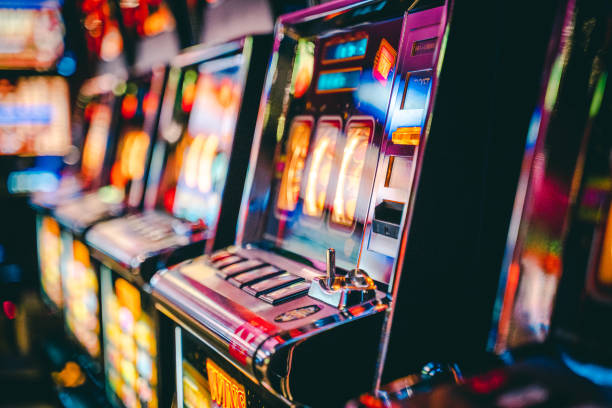
Moreover, the unpredictability of outcomes can create a “near-miss” phenomenon, where players come close to winning but ultimately do not. Research shows that these near misses can be more motivating than actual wins, as they instill hope and encourage further gambling. This constant cycle of anticipation keeps players coming back, eager for that elusive win that feels just within reach.
Casinos skillfully exploit this allure of uncertainty through their design and marketing strategies. The use of bright lights, sounds, and engaging graphics creates an immersive environment that heightens the emotional stakes of gambling. By framing uncertainty in a positive light, casinos encourage longer play sessions, deepening the psychological grip they have on their patrons.
The Social Dynamics of Gambling
The social aspect of casino gambling significantly influences player behavior. Many individuals are drawn to casinos not only for the games but also for the social interaction they provide. Gamblers often feel a sense of community and belonging when they engage in gaming activities with others. This social dynamic can enhance the enjoyment of gambling and increase the likelihood of repeat visits.
Moreover, peer influence plays a critical role in shaping gambling behaviors. People are more likely to gamble if their friends or family members do. This social validation can trigger a sense of competition among players, fostering a spirit of camaraderie that encourages longer playtime. Many casinos capitalize on this by hosting events and tournaments that promote interaction among gamblers.
Another psychological aspect related to social dynamics is the “fear of missing out” (FOMO). When individuals see others winning or enjoying themselves, it creates a desire to participate, even if they had no initial intention to gamble. This phenomenon can lead to impulsive decisions and an increase in gambling behavior, particularly among those who value social connections and experiences.
The Impact of Rewards and Reinforcement
The structure of rewards in gambling environments heavily influences player behavior. Casinos utilize a system of intermittent reinforcement, where players receive rewards at unpredictable intervals. This method is particularly effective because it creates a compulsion to continue playing, as individuals are never quite sure when the next win will occur. This uncertainty keeps players engaged and hoping for the next big win.
The psychological principle of “loss aversion” also comes into play. Players are more likely to continue gambling after a loss in hopes of recovering their money. This tendency can lead to what is known as the “gambler’s fallacy,” where individuals believe that a win is due simply because they have experienced a series of losses. Such cognitive distortions are exacerbated by the structure of gambling games, which are designed to keep players hooked.
Additionally, casinos often implement loyalty programs that reward frequent players with bonuses and perks. These rewards create a sense of belonging and investment, encouraging players to return to the casino in hopes of reaping additional benefits. The interplay of rewards and reinforcement mechanisms profoundly affects gambling behavior, embedding it deeply within the player’s psyche.
Cognitive Distortions and Gambling Myths
Cognitive distortions, or inaccurate thoughts, significantly impact gambling behaviors. One common distortion is the belief that players have control over random events, such as slot machine outcomes. This illusion of control often leads individuals to gamble more, convinced that their actions can influence the results. Casinos exploit this psychological trigger by designing games that give players a false sense of agency.
Another prevalent myth is the belief in “hot” and “cold” streaks. Gamblers may perceive a machine as “due” for a win after a series of losses, leading them to wager more money in hopes of a favorable outcome. This fallacy can result in excessive gambling, as individuals chase losses and ignore the statistical realities of randomness in games of chance.
These cognitive biases can result in a significant misunderstanding of the nature of gambling, leading players to engage in behaviors that are counterproductive. Casinos often use marketing techniques that reinforce these myths, creating an environment where players feel justified in their irrational decisions. Addressing these cognitive distortions is essential for understanding why some individuals struggle with gambling addiction.

Exploring Gaming Opportunities at Slotlair Casino
Slotlair Casino exemplifies how psychological triggers are embedded in the gaming experience. With its vibrant online platform, it offers a vast array of games that are designed to captivate players. By understanding the psychological triggers that drive gambling behaviors, Slotlair effectively tailors its offerings to maximize player engagement, from the thrill of slot machines to live dealer experiences.
The casino not only provides a generous welcome package but also fosters a sense of community through tournaments and VIP clubs. These elements enhance social dynamics and encourage players to interact while indulging in their favorite games. By blending social elements with enticing rewards, Slotlair creates an environment that appeals to both casual and seasoned gamblers.
Moreover, Slotlair emphasizes responsible gaming, recognizing the importance of understanding the psychological aspects of gambling. By offering tools and resources for players to manage their gaming behaviors, the casino aims to promote a balanced and enjoyable experience. This approach reflects an awareness of the psychological triggers at play, making Slotlair a thoughtful choice for those seeking both entertainment and responsibility in their gaming adventures.